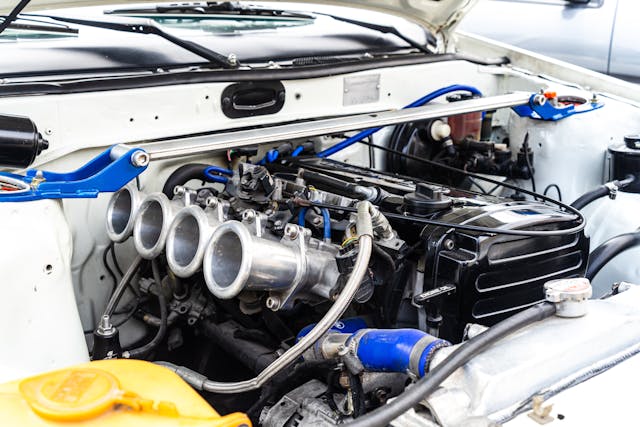
Your vehicle depends on dozens of interconnected systems working together smoothly every time you drive. Over time, normal wear affects engine performance, fuel efficiency, and reliability. That is where routine auto tune up service becomes essential.
Many drivers wait until they notice obvious problems before scheduling maintenance, but tune-ups are designed to prevent those issues from developing in the first place. Whether you drive daily for work, family responsibilities, or long commutes, regular maintenance helps keep your car running efficiently while reducing the risk of costly repairs.
What Is an Auto Tune Up Service?
An auto tune up service is a preventative maintenance appointment focused on improving engine performance and ensuring major components operate correctly. Modern tune-ups involve more than simply replacing spark plugs. Technicians inspect and maintain multiple systems that directly affect drivability, fuel economy, and overall reliability.
Depending on the vehicle’s age, mileage, and condition, a tune-up may include:
- Spark plug replacement
- Air filter replacement
- Fuel system inspection
- Ignition system testing
- Fluid inspections
- Belt and hose evaluations
- Battery performance checks
- Engine diagnostics
The goal is to identify wear early and restore optimal engine performance before larger issues appear.
Signs Your Vehicle May Need a Tune-Up
Vehicles often show warning signs before performance problems become severe. Recognizing these symptoms early can help prevent more expensive repairs later.
Reduced Fuel Efficiency
If your vehicle suddenly requires more frequent trips to the gas station, worn engine components may be reducing efficiency. Dirty filters, failing spark plugs, or ignition issues can force the engine to work harder than necessary.
Rough Idling
An engine that shakes, vibrates, or feels unstable while idling may indicate problems within the ignition or fuel delivery systems.
Difficulty Starting
Slow starts or hesitation when turning the key can point to tune-up-related issues involving the battery, ignition system, or spark plugs.
Sluggish Acceleration
A delayed response when pressing the accelerator often means the engine is no longer performing efficiently.
Check Engine Light
Although many issues can trigger the check engine light, tune-up-related maintenance concerns are among the most common causes.
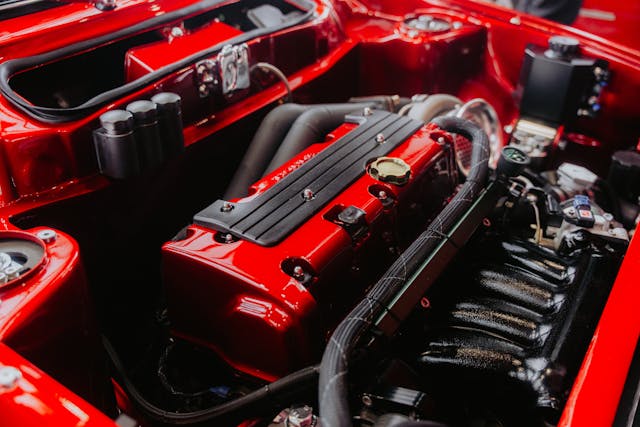
Benefits of Routine Auto Tune Up Service
Routine maintenance provides far more than temporary performance improvements. A properly maintained vehicle often lasts longer and performs more reliably under daily driving conditions.
Improved Engine Performance
Replacing worn components allows the engine to run more smoothly and consistently.
Better Fuel Economy
Efficient combustion helps reduce fuel consumption, saving money over time.
Lower Risk of Breakdowns
Preventative maintenance reduces the chance of unexpected mechanical failures.
Longer Vehicle Lifespan
Routine care helps reduce unnecessary wear on major engine components.
Smoother Driving Experience
Vehicles that receive regular tune-ups typically accelerate better, idle more smoothly, and respond more consistently on the road.
Why Preventative Maintenance Saves Money
Some drivers avoid maintenance appointments to save money in the short term. However, delaying basic services often leads to more expensive mechanical problems later.
For example, ignoring worn spark plugs can eventually damage ignition coils or reduce engine efficiency. Replacing inexpensive maintenance components early is usually far more affordable than major engine repairs.
Preventative maintenance also helps drivers avoid the inconvenience of unexpected breakdowns, towing expenses, and emergency repair situations.
How Often Should You Schedule an Auto Tune Up Service?
There is no single maintenance schedule that applies to every vehicle. Older cars may require more frequent tune-ups, while many modern vehicles can operate longer between services.
Factors that affect tune-up frequency include:
- Vehicle make and model
- Mileage
- Driving conditions
- Climate
- Driving habits
- Manufacturer recommendations
Drivers who frequently experience stop-and-go traffic, extreme temperatures, or long commutes may need maintenance more often.
Choosing a Reliable Auto Repair Shop
The quality of maintenance work matters just as much as scheduling the service itself. Experienced technicians use proper diagnostics and inspections to identify issues accurately rather than guessing at potential problems.
When choosing a repair shop, consider:
Experience and Training
Skilled technicians understand how to diagnose both common and complex engine issues.
Honest Communication
Trustworthy repair shops explain maintenance recommendations clearly and avoid unnecessary upselling.
Diagnostic Technology
Modern vehicles rely heavily on computer systems, making accurate diagnostics essential for proper repairs.
Strong Reputation
Positive customer reviews and repeat business often reflect consistent service quality and professionalism.
Final Thoughts
Routine auto tune up Las Vegas NV plays a major role in keeping vehicles dependable, efficient, and safe to drive. From improving fuel economy to reducing the risk of breakdowns, preventative maintenance helps protect both your engine and your long-term investment.
Staying proactive with regular tune-ups allows drivers to catch small problems early while maintaining strong vehicle performance for years to come.