
Transporting equipment, tools, and materials safely is essential for businesses and independent contractors who rely on mobility. The right trailer setup can make daily work smoother, more efficient, and far more secure. Modern users are increasingly turning toward specialized trailer types that match their operational needs. Among the most commonly chosen options are enclosed trailers and dump trailers, each serving a distinct purpose in the transportation and construction landscape.
Why Versatility Matters in Trailer Selection
For many professions, flexibility in transporting items is a necessity rather than a luxury. When industries demand both equipment protection and efficient material disposal, the selection of the right trailer becomes central to workflow. That is one reason many contractors integrate enclosed trailers into their fleet while also owning units designed for heavier jobs, such as dump trailers, which handle bulk materials with ease.
Benefits of Secure Storage and Protection
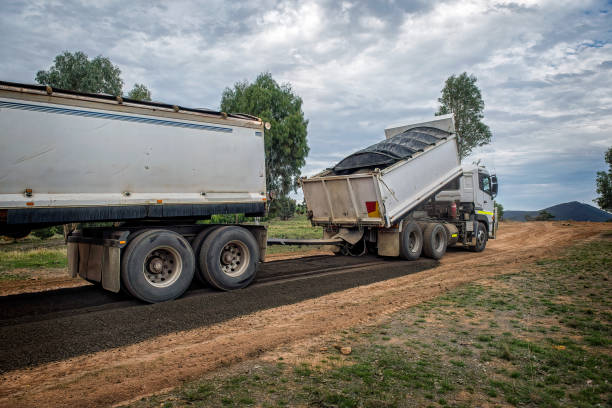
Many users appreciate how enclosed trailers keep items safe from weather, dust, and unauthorized access. This type of trailer is useful for transporting tools, machinery, and delicate materials that must remain dry and well organized. At the same time, companies that frequently manage landscaping debris, gravel, or demolition waste often complement their fleet by using dump trailers when heavy loads need rapid unloading. The combination of secure storage and heavy-hauling capabilities gives teams the diversity needed to work efficiently in changing environments.
Operational Efficiency on Job Sites
A major attraction of enclosed trailers is the organized workspace they can provide. Contractors often install shelving, racks, lighting, and ventilation inside, turning the trailer into a mobile workshop. While this setup boosts productivity, the presence of dump trailers on the same project grounds helps streamline hauling operations for dirt, rubble, and construction scraps. Together, these trailer types improve workflow by reducing downtime and increasing movement between phases of a project.
Durability and Structural Design Advantages
Design strength is an important factor in long-term trailer ownership. Many buyers appreciate that enclosed trailers come with reinforced walls, durable flooring, and aerodynamic exteriors that reduce drag during towing. Meanwhile, the hydraulic systems and steel construction of dump trailers are engineered for repetitive lifting cycles without compromising structural integrity. These two features—weather protection and load-handling strength—allow owners to rely on their equipment for many years of demanding use.
Common Uses Across Industries
Contractors, event planners, mobile service providers, and outdoor enthusiasts all find practical roles for enclosed trailers in their work or travel. They help maintain equipment readiness and provide a controlled environment during transport. On heavy-duty job sites, project supervisors routinely schedule dump trailers for tasks involving soil removal, rock hauling, or large-scale cleanup. The ability of these units to tip and unload materials quickly saves labor, fuel, and hours of manual effort.
Improved Safety and Compliance
Transport safety is essential. Many teams recognize that enclosed trailers minimize the risk of items falling out during transit and reduce the chance of theft, which can be costly. At the same time, those same teams rely on dump trailers because the hydraulic lift reduces strain on workers who would otherwise manually offload heavy debris. Compliance with safety standards often becomes easier when the right trailer model is selected for the specific nature of the work.

Long-Term Investment and Cost Efficiency
Despite upfront expenses, enclosed trailers frequently become long-lasting assets because they prevent tool loss and limit damage from natural elements. A similar long-term advantage comes from dump trailers, particularly on job sites where manual unloading once consumed hours of labor. Over time, the reduced maintenance, increased efficiency, and improved operational capacity justify the investment in both trailer types for companies that value productivity.
Conclusion
Choosing the right trailer can significantly influence workplace efficiency, safety, and long-term operating costs. Many owners rely on enclosed trailers for secure storage and mobility, while job sites requiring bulk material handling benefit greatly from the reliability of dump trailers. Together, these tools support modern industries by offering durability, convenience, and performance across a wide range of professional applications.


